


THE MOLECULES OF LONGEVITY:

How Fragrance Became a Frontier of Longevity Science
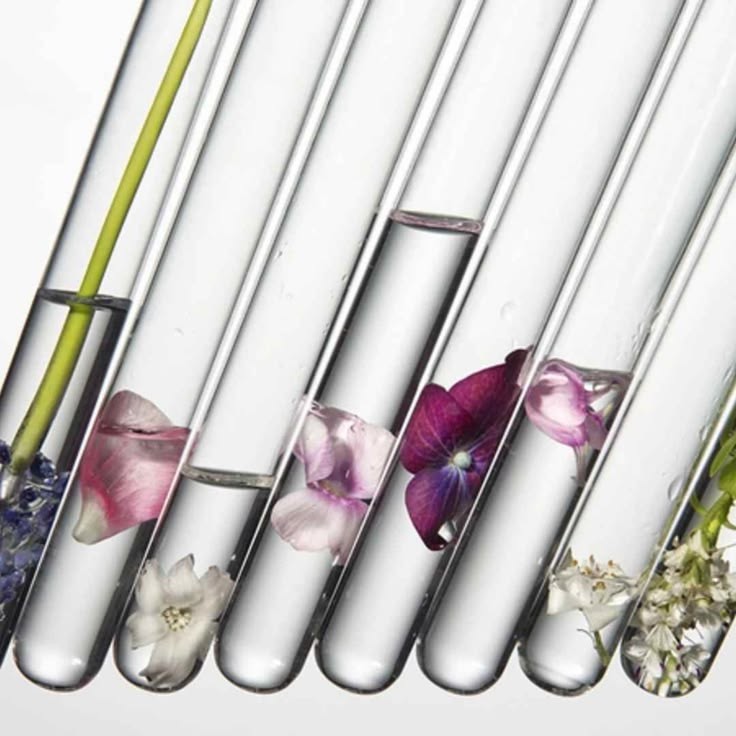
The olfactory system is the only sense with a direct, unmediated route to the brain’s core regulatory centres. The molecules we choose to inhale and when we choose to inhale them may be among the most consistently overlooked variables in healthy ageing.
For most of the twentieth century, fragrance was classified as a pleasure. A finishing touch. Fragrance serves as the final layer of a grooming ritual, lacking any clinical relevance. That assumption is now being systematically dismantled, not by perfumers but by neuroscientists, chronobiologists, and the research divisions of some of the world’s largest flavour and fragrance corporations.
The olfactory system is the only sensory pathway that has a direct, unmediated connection with the limbic system, which is the brain’s centre for processing emotions and memories. It bypasses the thalamus entirely. A fragrance molecule inhaled through the nose reaches the amygdala, hippocampus, and hypothalamus faster than any other sensory signal. No other sense works this way.
This anatomical fact has consequences that extend well beyond nostalgia. It means that fragrance is a legitimate pharmacological delivery route to the brain and that the molecules we choose to inhale, and when we choose to inhale them, may have measurable e ects on cortisol regulation, neurogenesis, circadian rhythm entrainment, and immune function.
In 2023, researchers at the University of California found that exposing older adults to a variety of different scents helped improve their memory and verbal learning. The suggested reason for these findings was that neuroplasticity played a role: experiencing different smells repeatedly seemed to improve the connections between the olfactory cortex and the hippocampus, which is important for long-term memory and is one of the first areas to be affected by age-related memory loss and cognitive decline.
This is not an isolated finding. A growing body of peer-reviewed literature now connects olfactory decline, the gradual loss of smell acuity that begins in the fifth decade of life and accelerates significantly after sixty, with increased risk of Parkinson’s disease, Alzheimer’s disease, and all-cause mortality. Olfactory decline is not a consequence of neurodegeneration. In many cases, olfactory decline serves as an early indicator of neurodegeneration.
Monell Chemical Senses Center in Philadelphia, the only independent research institute in the world focused solely on smell and taste, has spent many years showing how the sense of smell affects the immune system, hormone signalling, and emotional balance. What was once marginal science is now mainstream medicine.
Beyond neuroprotection, fragrance interacts directly with the hypothalamic-pituitary-adrenal axis, the system that governs the body’s cortisol response to stress. Linalool, the main compound in lavender, has been shown in several studies to reduce salivary cortisol concentrations and affect the autonomic nervous system, which helps increase heart rate variability and decrease stress responses. These are not subjective wellness outcomes. They are physiological measurements.
The implications for chronobiology are equally significant. The olfactory bulb contains circadian clock genes, the same molecular machinery that governs cellular rhythms throughout the body. This means that timed olfactory input can function as a zeitgeber: an external time cue that helps synchronise biological rhythms. Morning citrus profiles, rich in d-limonene, have been associated with increased serotonergic activity in preclinical models. Evening profiles anchored by sandalwood, vetiver, or frankincense have demonstrated measurable sedative and anxiolytic properties, reduced sleep onset latency and improving sleep architecture.
What you smell in the morning and what you smell before sleep are not trivial choices. They are chronobiological inputs with measurable downstream effects on cognition, mood, and cellular repair.
On the convergence of molecular science and emotional narrative in contemporary fragrance and what it demands of the brands building in this space.
dsm-Firmenich, a Swiss-Dutch company that makes ingredients and fragrances, has developed an active portfolio of mood-modulating fragrance technologies, including captive molecules designed specifically to interact with olfactory receptors linked to stress reduction and emotional regulation. Their Neuroscience of Wellness research programme is among the most rigorous in the sector.
Givaudan, the world’s largest flavour and fragrance company, has invested in clinical studies on the psychophysiological effects of specific aromatic compounds. MANE launched its Emotional Track System to quantify the emotional and physiological response to fragrance in measurable, repeatable terms.
And Iberchem — the Spanish multinational with operations across seventy countries — has progressively repositioned its wellness fragrance segment to align with functional health outcomes rather than purely hedonic ones.
This convergence is not marketing. These companies, which have combined annual revenues in the tens of billions of euros, are investing in peer-reviewed science because the commercial and clinical opportunities are no longer marginal, indicating a significant shift in how the industry values scientific research in product development. Fragrance as just a functional ingredient is no longer seen as a trend but represents a tremendous opportunity and benefit in various applications, enhancing product efficacy and the consumer experience.
Fragrance Formulation & Brand Development →
Contes de Parfums — Artisan Fragrance →
House of Helios — Enneagram Fragrances →
For fragrance and wellness brands, the scientific reframing of scent as a longevity input is not merely an editorial opportunity. It is a structural repositioning. A fragrance that is formulated with chronobiological intent calibrated for morning cortisol modulation or evening parasympathetic activation occupies a fundamentally different market position from one designed exclusively for olfactory pleasure.
The brands that will lead this category are those that build the scientific architecture before they build the story. That means selecting aromatic compounds for their documented psychophysiological profiles, commissioning credible clinical or instrumental validation, and constructing a brand narrative that communicates efficacy without abandoning the sensory and emotional intelligence that fragrance demands.
This is not a contradiction. Science and story are not opposing forces in fragrance. They are, when handled with precision, mutually reinforcing. The hybrid thinker —the professional who holds scientific rigour and creative authority in the same hand— is precisely the figure this category requires.
The same consumer demanding functional evidence from fragrance is demanding material transparency from packaging and sourcing. The two conversations are inseparable.
The research is not yet complete. No responsible scientist would claim that fragrance alone extends lifespan or prevents neurodegeneration. But the convergence of evidence is sufficient to draw a conclusion that should shift how we think about scent: olfaction is not a passive sense. It is an active interface between the external environment and the biological systems that govern how we age.
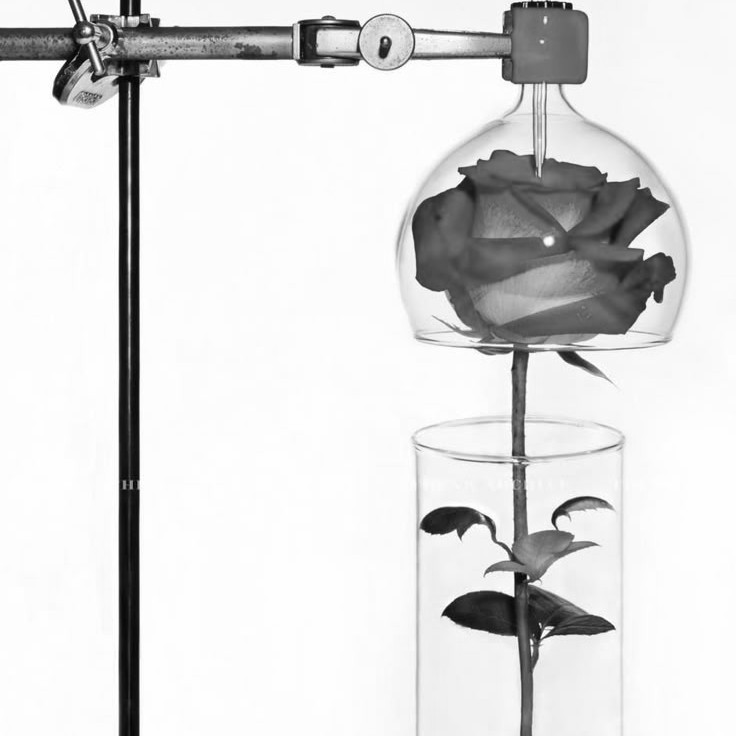
Selecting fragrant compounds purposefully for their effects on our biological rhythms, their ability to help us adapt, or their support for reducing stress and improving sleep is a valid practice for enhancing longevity. This practice should not replace nutrition, movement, sleep, or supplementation. Alongside them. The brands that recognise this concept early will shape the category.
If you are building a fragrance or wellness brand with scientific foundations, let us help you develop it with precision. Begin the conversation →
All references verified with Digital Object Identifiers (DOI) for direct access to peer-reviewed research.
1. Woo, C.C. et al. (2023). Overnight olfactory enrichment using an odorant diffuser improves memory in older adults. Frontiers in Neuroscience. frontiersin.org
2. Schubert, C.R. et al. (2017). Olfactory impairment in an adult population. Chemical Senses, 42(8). PubMed 28968744
3. Koulivand, P.H. et al. (2013). Lavender and the Nervous System. Evidence-Based Complementary and Alternative Medicine. PubMed 23573142
4. Goel, N. et al. (2005). An olfactory stimulus modifies nighttime sleep in young men and women. Chronobiology International, 22(5). PubMed 16298774
5. Monell Chemical Senses Center. monell.org/research
6. dsm-firmenich emotiOn Programme. dsm-firmenich.com
7. Givaudan Health and Wellbeing Centre. givaudan.com
8. MANE WELLMOTION Platform. mane.com/wellmotion
9. Iberchem Wavemotion Programme. iberchem.com


