
CREATING A LUXURY NICHE PERFUME BRAND: THE COMPLETE GUIDE
Building a world-class fragrance house in the ultra-premium segment, where artistry meets heritage and craftsmanship commands extraordinary values.
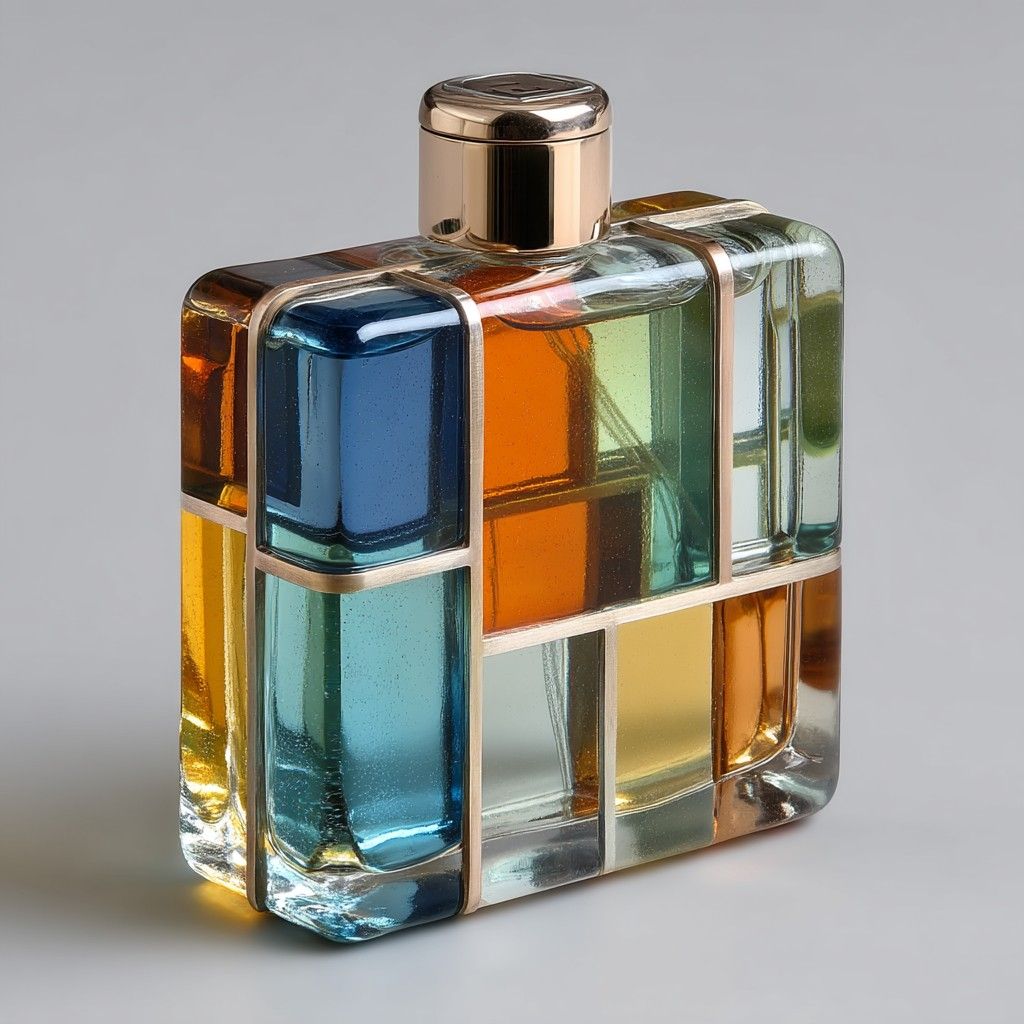
The ultra-premium niche perfume market represents the pinnacle of the fragrance industry. While mass-market fragrances compete on volume and designer houses chase celebrity endorsements, true luxury perfume houses like Clive Christian, Tiziana Terenzi, and Xerjoff operate in an entirely different realm one where a single bottle commands €300 to €1,000 or more, and clientele expect nothing less than extraordinary.
This market segment is projected to reach USD 6.2 billion by 2030, growing at 13-14% annually; significantly outpacing the broader fragrance industry. For entrepreneurs with genuine passion, deep creativity, and uncompromising standards, building a luxury niche perfume house offers an opportunity to create lasting value and artistic legacy.
This guide draws on the strategies that define the world’s most revered fragrance houses: from Floris London’s 290 years of British heritage to Nasomatto’s avant-garde minimalism, from Nishane’s Turkish craftsmanship to Creed’s legendary legacy.
The ultra-premium difference: at the highest tier of niche perfumery, you are not selling fragrances; you are selling art, heritage, identity and a unique experience. Your competition isn’t other perfumes, it is fine jewellery, haute couture and collectible timepieces. Your clientele expects quality presentation, ingredients of uncompromising provenance, and a brand narrative worthy of their investments.
UNDERSTANDING THE ULTRA-PREMIUM NICHE SEGMENT
Before investing in the creation of a luxury fragrance house, it is essential to understand what distinguishes this segment from mainstream niche perfumery.
PRICE ARCHITECTURE IN LUXURY PERFUMERY
- Designer Niche (€80-€180): Le Labo, Byredo, Diptyque
- Premium Niche (€180-€350): Parfums de Marly, MFK, Amouage
- Ultra-Premium (€350-€1,000+): Clive Christian, Xerjoff, Roja Dove
REFERENCE HOUSES IN THE ULTRA-PREMIUM SEGMENT
- Clive Christian (British Heritage, Est. 1872) — Bearer of Queen Victoria’s crown. Guinness World Record for most expensive perfume. 150-250 ingredients per composition.
- Tiziana Terenzi (Italian Artistry, Est. 1968) — Third-generation family house. Hand-crafted production. Origins in devotional candle-making.
- Xerjoff (Italian Luxury, Est. 2003) — Murano glass bottles. Collaboration with master perfumers. Art-perfumery fusion with collectible presentations.
- Nishane (Turkish Craftsmanship, Est. 2012) — First Turkish niche house. Bridges Eastern traditions with contemporary vision. Global expansion from Istanbul.
- Nasomatto (Dutch Avant-Garde, Est. 2007) — Alessandro Gualtieri’s radical vision. No disclosed notes. Pure artistic expression. Cult following.
- Floris London (British Heritage, Est. 1730) — 290 years of perfumery. Royal Warrant holders. Family-owned across nine generations.
WHAT ULTRA-PREMIUM CLIENTS EXPECT
- Ingredient provenance: Rare naturals from specific terroirs 50-year-old Indian sandalwood, Grasse jasmine absolute, genuine oud from Assam.
- Concentration and longevity: Extrait de Parfum at 25-40% concentration, with 12+ hour longevity.
- Packaging as art: Hand-blown crystal, precious metal detailing, bespoke boxes, certificates of authenticity.
- Heritage or vision: Either centuries of history or a compelling artistic narrative from a visionary founder.
- Exclusivity: Limited production, numbered editions, restricted distribution.
CRAFTING YOUR BRAND IDENTITY
In ultra-premium perfumery, your brand identity is as important as your fragrances. You are creating not just scents, but a world that collectors want to inhabit, the ultimate experience.
HERITAGE vs. VISIONARY POSITIONING
Heritage Positioning: Clive Christian acquired the Crown Perfumery Company (established 1872) and revived Victorian traditions. Floris London has maintained family ownership since 1730. For new houses, partnering with historic perfumeries or emphasizing regional heritage can establish credibility.
Visionary Positioning: Nasomatto was built entirely on Alessandro Gualtieri’s artistic vision radical, uncompromising, mysterious. Xerjoff’s Sergio Momo created a world where perfumery meets collectible art.
DEFINING YOUR OLFACTORY PHILOSOPHY
Every great house has a distinct olfactory identity:
- Roja Dove — Opulence and maximalism; using the finest ingredients
- Nasomatto — Intensity and abstraction; fragrances as pure emotional states
- Tiziana Terenzi — Memory and travel; liquid emotions captured in precious vessels
- Nishane — East-West fusion; Turkish heritage with cosmopolitan sophistication
- Xerjoff — Art-perfumery; each collection as a curated exhibition
PACKAGING AS COLLECTIBLE ART
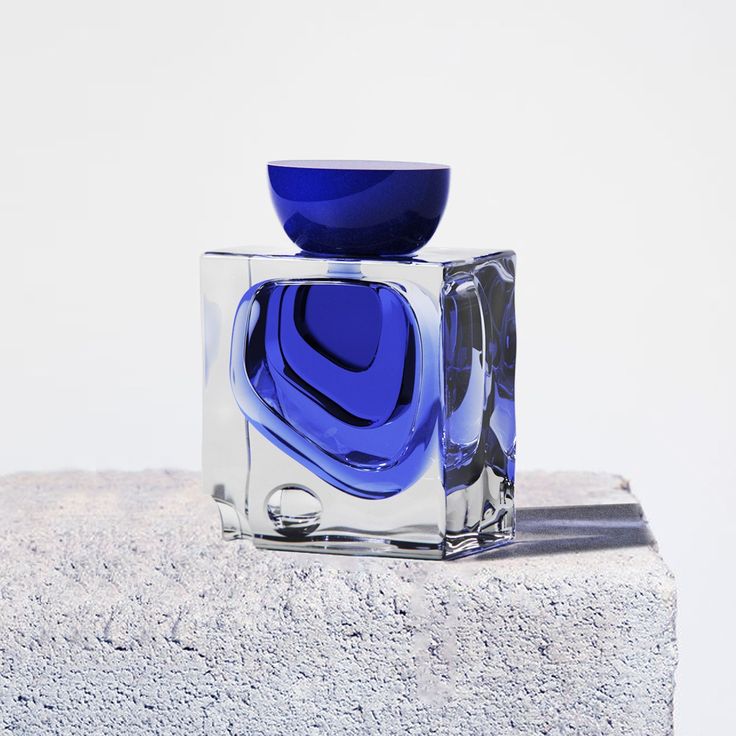
In ultra-premium perfumery, the bottle is as important as the juice. Collectors display these objects; the presentation must justify €500+ price points.
- Vessel craftsmanship: Xerjoff uses hand-blown Murano glass. Tiziana Terenzi features 24k gold detailing. Clive Christian crowns every bottle with Queen Victoria’s symbol.
- Secondary packaging: Lacquered boxes, magnetic closures, fabric linings, certificates of authenticity.
- Material quality: Heavy crystal glass, metal (not plastic) components, substantial weight.
- Distinctive identity: Your bottle must be recognisable immediately; a signature shape that becomes iconic.
CREATING WORLD-CLASS FRAGRANCES
At the ultra-premium level, fragrance development demands either working with elite perfumers or developing exceptional in-house capabilities.
WORKING WITH MASTER PERFUMERS
- Grasse Houses: Robertet, Givaudan, and boutique ateliers in the perfume capital offer access to the finest ingredients and master perfumers.
- Independent Perfumers: Seek perfumers with proven work in the ultra-premium segment.
- UK-Based Consultancies: Olfiction partners with Accords et Parfums in Grasse, offering British brands access to French excellence.
INGREDIENT SOURCING FOR EXCELLENCE
- Rose de Mai (Grasse, France): Hand-picked at dawn; 400kg petals per kilo of absolute
- Oud (Assam, Cambodia): Genuine aged oud vs synthetic alternatives; price reflects authenticity
- Sandalwood (Mysore, India): 60+ year old trees; increasingly rare and regulated
- Jasmine Absolute (Grasse, Egypt): 8,000 flowers per gram; night-harvested for optimal scent
- Ambergris: Natural ambergris vs synthetic; connoisseurs detect the difference
Trusted suppliers for rare materials include Fraterworks (rare tinctures and bases), Materia Aromatica (wild-crafted organics), and direct relationships with Grasse producers.
PACKAGING AS COLLECTIBLE ART
- Vessel craftsmanship: Xerjoff uses hand-blown Murano glass. Tiziana Terenzi features 24k gold detailing. Clive Christian crowns every bottle with Queen Victoria’s symbol.
- Secondary packaging: Lacquered boxes, magnetic closures, fabric linings, certificates of authenticity.
- Material quality: Heavy crystal glass, metal (not plastic) components, substantial weight.
- Distinctive identity: Your bottle must be recognisable immediately; a signature shape that becomes iconic.
DISTRIBUTION AND RETAIL STRATEGY
Ultra-premium fragrance requires carefully controlled distribution. Ubiquity destroys exclusivity; scarcity creates desire.
- Flagship boutiques: Harrods, Harvey Nichols, Neiman Marcus, Bergdorf Goodman; the expected homes for ultra-premium.
- Niche perfumeries: Les Senteurs (London), Jovoy (Paris), Luckyscent (Los Angeles) curate for discerning collectors.
- Direct-to-consumer: Your own e-commerce must reflect ultra-premium positioning; concierge service, sampling programs.
THE INVESTMENT
THE INVESTMENT
Creating an ultra-premium niche house requires significant capital. Unlike mass-market fragrance, you cannot compromise on any element.
- Fragrance development: master perfumer fees, rare ingredients
- Packaging (bespoke): custom made moulds
- Brand development: identity, photography, brand world
- Regulatory (multi-market): CPSR, notifications across EU, UK, USA, Middle East
- Initial inventory: first production run
- Launch marketing: press, influencers, retail support
The Investment Reality: The ultra-premium segment is not accessible to under-capitalized ventures. Attempting to create luxury position with budge execution damages credibility permanently. It is better to launch with a single yet exceptional fragrance than a mediocre collection.
READY TO CREATE YOUR LUXURY FRAGRANCE HOUSE?
Building an ultra-premium niche brand requires expertise across storytelling, formulation, regulatory matters, packaging and brand development, marketing and positioning, and commercial sales strategies. CCC Inspire guides visionary founders through every stage of creating world-class fragrance houses. Why not discover our services.
CRITICAL SUCCESS FACTORS
- Uncompromising quality: Every element must justify your price point.
- Patience: Building brand equity takes years. Nishane spent a decade building from Istanbul to global distribution.
- Authentic vision: Collectors detect inauthenticity instantly. Your story must be genuinely yours.
- Selective distribution: Resist maximizing points of sale. Scarcity creates desire.
- Collector relationships: Your first customers become ambassadors. Treat them as patrons of your art.
COMMON PITFALLS
COMMON PITFALLS
- Under-investment: Attempting ultra-premium positioning with premium-tier resources destroys credibility.
- Over-distribution: Appearing in discount channels ends your luxury positioning permanently.
- Derivative positioning: “We are like Creed but…” signals lack of original vision.
- Rushing to market: One exceptional launch beat three adequate ones.
- Neglecting regulations: Multi-market compliance is complex; cutting corners creates liability.
CONCLUSION
Creating a luxury niche perfume house is among the most challenging ventures in the beauty industry and among the most rewarding for those who succeed. The houses that endure across generations Floris, Penhaligon’s, the great Grasse “maisons” demonstrate that excellence, patience, and authenticity create lasting value.
For entrepreneurs with genuine passion, adequate capital, and uncompromising standards, the ultra-premium niche segment offers the opportunity to build something that transcends commerce a house whose fragrances become part of collectors’ identities, whose bottles are treasured objects, whose experiences are truly unique and whose legacy may span generations.