


THE MOLECULES OF LONGEVITY:

How Artisan Perfumery and Longevity Cosmetics are Reshaping the Industry by 2030
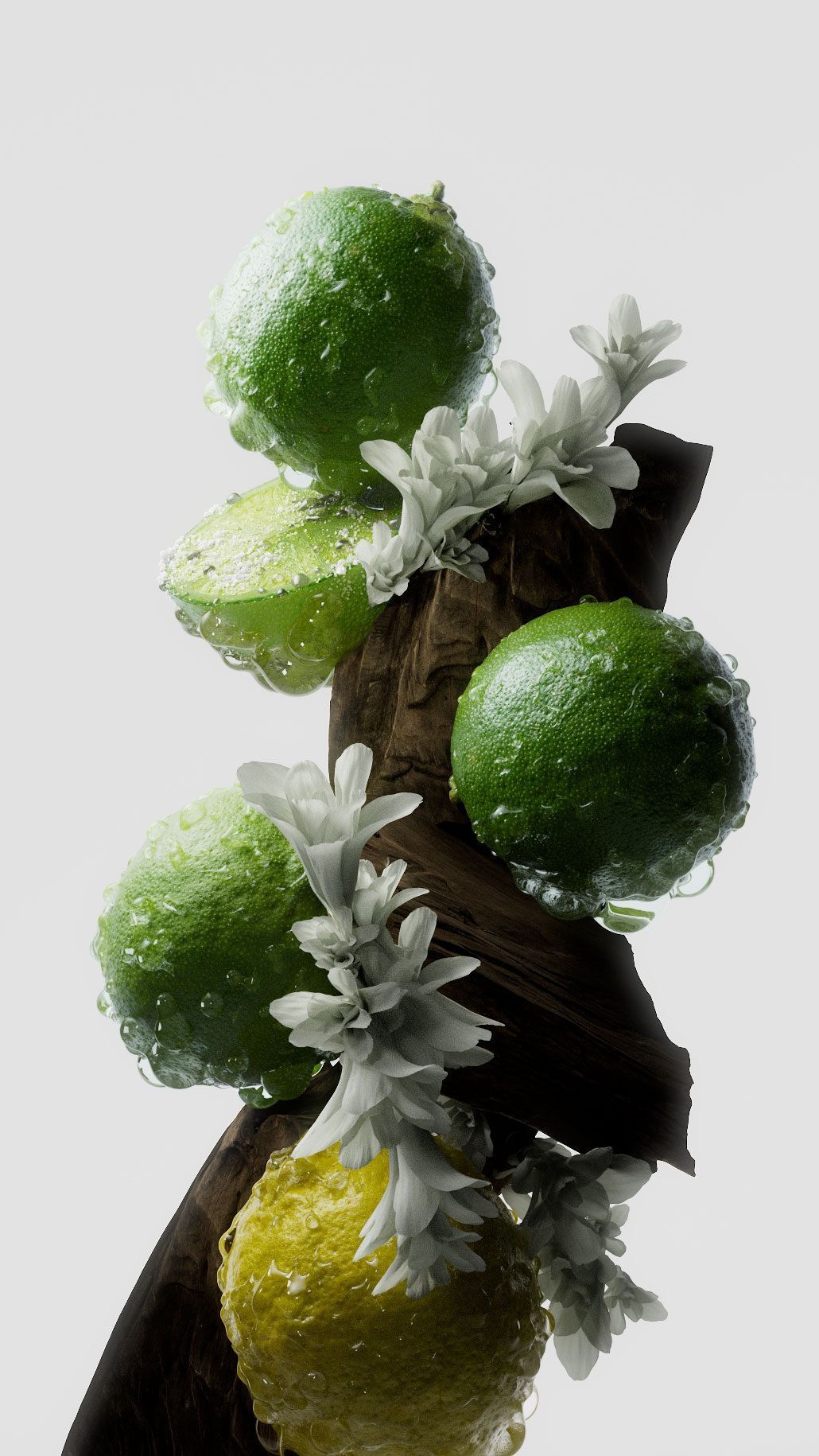
Two parallel revolutions are transforming the beauty landscape: artisan perfumery is redefining self-expression through scent, while longevity cosmetics are shifting the paradigm from anti-ageing to proactive cellular health. Both movements share a common thread; a rejection of mass-market superficiality in favour of science-backed authenticity and personalized experiences.
Niche perfumery or ‘perfumery of author’ as it is known in Spain; represents a fundamental shift in how consumers relate to fragrance. Rather than selecting scents endorsed by celebrities or marketed through mass advertising, today’s fragrance enthusiasts seek unique olfactory signatures that express their identity.
The numbers reflect this cultural shift. The luxury niche perfume market, valued at approximately USD 2.9 billion in 2024, is projected to reach between USD 5.7 and 6.2 billion by 2030, growing at a compound annual growth rate of 13–14%. This outpaces the broader fragrance market significantly, signalling that consumers increasingly prioritize craftsmanship over commercial appeal.
The anti-ageing market is undergoing a fundamental transformation. The global anti-ageing products market, valued at approximately USD 85 billion in 2025, is forecast to reach USD 120 billion by 2030, growing at around 7% annually. However, the more significant change is conceptual: the industry is moving from symptom correction to root-cause intervention.
Longevity beauty focuses on extending skin health-span; maintaining optimal cellular function over time rather than simply masking visible signs of ageing. This approach draws on biomarkers, microbiome science, nutricosmetics, and chronobiology to address ageing at its biological origins.
L’Oréal has positioned itself at the forefront with its Longevity Integrative Science™ platform, officially launched in June 2025. The initiative introduces a ‘Wheel of Longevity’ featuring nine biological ageing hallmarks, analysed using the proprietary Longevity AI Cloud™ that maps over 260 skin biomarkers. Key products include Lancôme Absolue Longevity Soft Cream, featuring PDRN technology derived from rose DNA, and Vichy Neovadiol. Strategic partnerships with Verily (for biomarker research), Senisca (for senescent cell technology), and Timeline (for NAD+ science) reinforce their scientific credibility.
Estée Lauder has established the Longevity Collective, an advisory board featuring researchers from the Buck Institute, Stanford University, and Weill Cornell Medicine. Their partnership with the Stanford Center on Longevity funds research into the intersection of appearance and wellbeing. The Advanced Night Repair range, powered by Chronolux™ Power Signal Technology, represents their consumer-facing longevity innovation, backed by over 15 years of sirtuin research.
Shiseido brings 30 years of skin immunity research to the longevity conversation. Their reformulated Ultimune Power Infusing Serum introduces Memory T-cell technology a world first; that helps eliminate senescent cells while strengthening the skin’s natural defences. The brand explicitly frames its approach as ‘Slow-Ageing’ rather than anti-ageing, emphasizing prevention over correction.
By 2030, longevity cosmetics will target cellular health, mitochondrial function, and senescence through biotech-inspired actives. These ingredients represent a shift from surface-level wrinkle reduction to proactive skin vitality at the molecular level.
The antioxidant category has evolved beyond simple free-radical protection. Stabilised Vitamin C derivatives (such as Ascorbyl Glucoside), Vitamin E, ferulic acid, and green tea EGCG now work synergistically to combat oxidative stress and UV damage at multiple cellular pathways.
Botanical adaptogens are gaining prominence for their ability to modulate longevity genes. Schisandra chinensis (marketed as URBALYS® and TIMELYS® by Greentech) targets SIRT6 and FOXO3 genes; the same genes over-expressed in centenarians—while activating autophagy and reducing chronic inflammation. Moringa supports barrier function, ginseng improves microcirculation, and various fermented extracts enhance bioavailability of active compounds.
Convergence and Opportunity
Both artisanal perfumes and longevity cosmetics reflect a growing consumer demand for authenticity, personalisation, and scientific rigour. As we approach 2030, we can expect these areas to come together more: perfumes that offer brain benefits, skincare that works with our body clocks, and complete routines that focus on both emotional and cellular health.
The genuine opportunity lies in transforming empty promises into real innovations grounded in solid science. By 2030, consumers will be more informed and selective in their purchases, choosing products that respect their individuality and biology. Future beauty will focus on enhancing life rather than combating ageing. For assistance in achieving these goals, please contact CCC Inspire.


